
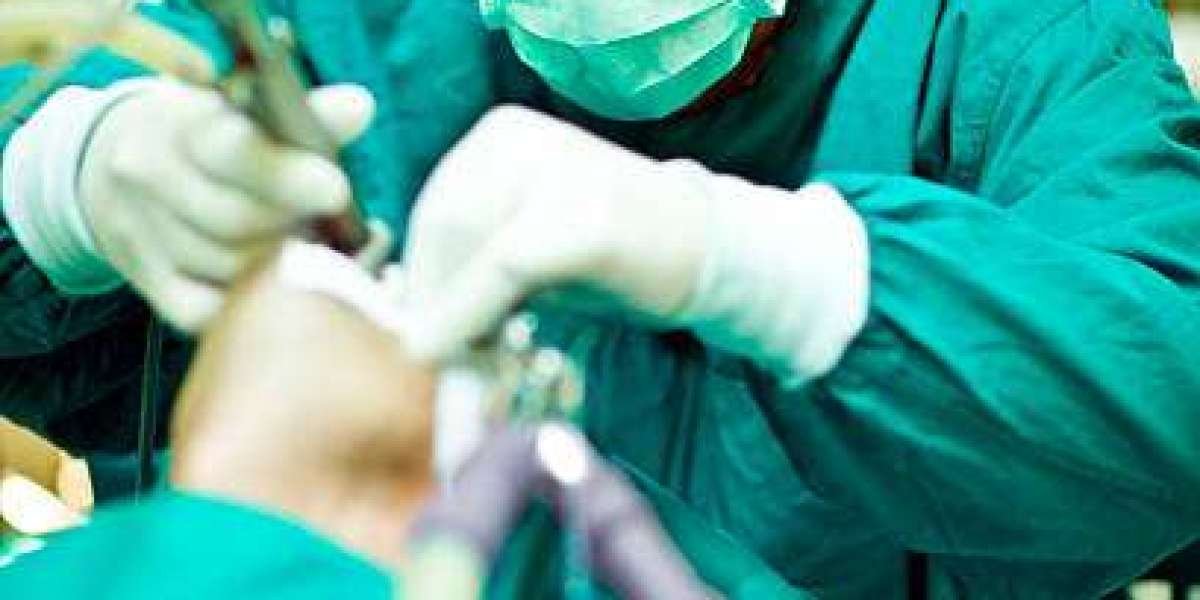
Tonsillectomy is the complete removal of the tonsils, while tonsillotomy is a partial removal. Tonsillectomy in adults is usually recommended when recurrent infections, chronic tonsillitis, or enlarged tonsils cause significant discomfort or health issues. The doctor chooses the treatment method based on the indications, the patient’s condition, and the technical capabilities of the medical facility where the surgery is performed.
Types of tonsillectomy
Surgeons currently use several techniques. The choice depends on the surgeon's skill, the availability of the necessary equipment, and the desired cost if the treatment is paid. Important factors include the extent of the surgery (complete or partial removal), the patient's age (adult or child), the need for histological examination (tissue analysis under a microscope), and, finally, the speed of recovery.
Classical method
The surgery is performed using a scalpel, scissors, or a surgical snare. The surgeon completely removes the tonsils from the surrounding tissue. This method is reliable, inexpensive, and requires little equipment. It is accessible even in the most remote areas of the country. A traditional tonsillectomy allows for the removal of all affected tissue and the collection of high-quality specimens for histological examination if the physician suspects a tumor. However, it is associated with a higher risk of bleeding, a prolonged recovery period, and severe postoperative sore throat.
Electrocoagulation
In this case, the doctor removes the tonsils using an electric current, which simultaneously coagulates (cauterizes) the vessels, reducing blood loss. A disadvantage of this method is thermal damage to surrounding tissue, which can prolong healing. The material obtained during coagulation is not always suitable for histological examination.
Cryodestruction
The doctor applies ultra-low temperatures (liquid nitrogen) to the tissue, freezing it and gradually rejecting it. This method is less traumatic and suitable for minor surgeries. However, tissue freezing is not always complete, and there is a risk of incomplete tonsil removal and the recurrence of tonsillitis, leading to the need for a repeat procedure. Therefore, doctors more often use cryodestruction for tonsillotomy, for example, in cases of tonsil hypertrophy.
Ultrasonic destruction
This treatment method uses high-frequency ultrasound vibrations to cut and simultaneously coagulate tissue, reducing the risk of bleeding. Ultrasonic destruction is considered a more precise method than electrocoagulation, but it requires specialized equipment and the surgeon's experience.
Radio wave destruction
Tonsillotomy or tonsillectomy can be performed using high-frequency radio waves. This method allows the ENT specialist to precisely remove tissue with minimal damage to surrounding structures, reducing recovery time. This method involves less blood loss and pain than, for example, traditional methods, and the resulting tissue is more suitable for histological examination than electrocoagulation. However, radio wave removal also requires specialized equipment.
Cold plasma destruction (coblation)
The method is based on the use of low-temperature plasma, which destroys tissue at the molecular level. Coblation is considered one of the most gentle technologies, with less postoperative pain and faster healing. It is used in cases where comfort and rapid recovery are important, such as in the treatment of children. However, the cost of this procedure can be higher, and the resulting material is not always suitable for research.
Laser removal
The laser not only cuts but also coagulates the vessels, making the procedure virtually bloodless. There are different types of lasers (infrared, carbon dioxide, and diode), and the choice depends on the surgical objectives. The method is quite precise, but there is sometimes a risk of burning surrounding tissue. However, this procedure is not available at all medical facilities and requires the appropriate skills from an ENT specialist.
How does the operation go?
On the day of admission, the doctor will conduct an examination and explain the main stages of treatment, warn about possible complications, and provide brief instructions on preparing for the surgery. Depending on the treatment method, tonsillectomy can be performed under local or general anesthesia. With local anesthesia, a numbing agent is injected into the tonsils; the patient remains conscious but does not feel pain. With general anesthesia, the patient remains asleep throughout the procedure. The surgery typically lasts approximately 20–60 minutes. After the tonsils are removed, the doctor examines the wound surface, stops bleeding, and applies absorbable sutures if necessary.
Postoperative period: what is important to know
After a tonsillectomy, the patient remains under the observation of the doctor and medical staff for several hours to several days. If all is well, they are sent home. However, the recovery period lasts an average of three weeks. During this time, the following should be done :
- avoid baths, saunas, hot tubs, and intense physical activity;
- Give up smoking and alcohol.
- stick to a gentle diet without too hot dishes and coarse foods;
- Postpone flights if possible.
- Although tonsillectomy is considered a relatively safe procedure, it is still a surgical procedure.
There are 9 possible side effects afterward :
- slight fever - up to 37.5 °C;
- unilateral or bilateral sore throat, which may radiate to the ear;
- difficulty swallowing.
All of the symptoms described above are normal. To relieve pain, doctors recommend painkillers. Benzocaine lozenges, such as Hexoral® Tabs Express 10, can help combat the pain. The medication begins to work against a sore throat within 15–30 seconds.
Gargling is not recommended. After tonsillectomy, a white fibrin film forms at the healing site. Gargling can easily damage this film, causing bleeding.
Conclusion
If bleeding occurs, sit up, tilt your head forward, and spit the blood into a suitable container. Avoid swallowing blood clots, as they may cause vomiting if they enter the stomach. If the bleeding does not stop on its own within 10–15 minutes, call an ambulance or go to the hospital yourself. You should also seek medical attention from experienced ENT consultants West Yorkshire if you feel significantly unwell postoperatively or if your temperature rises above 38°C.