
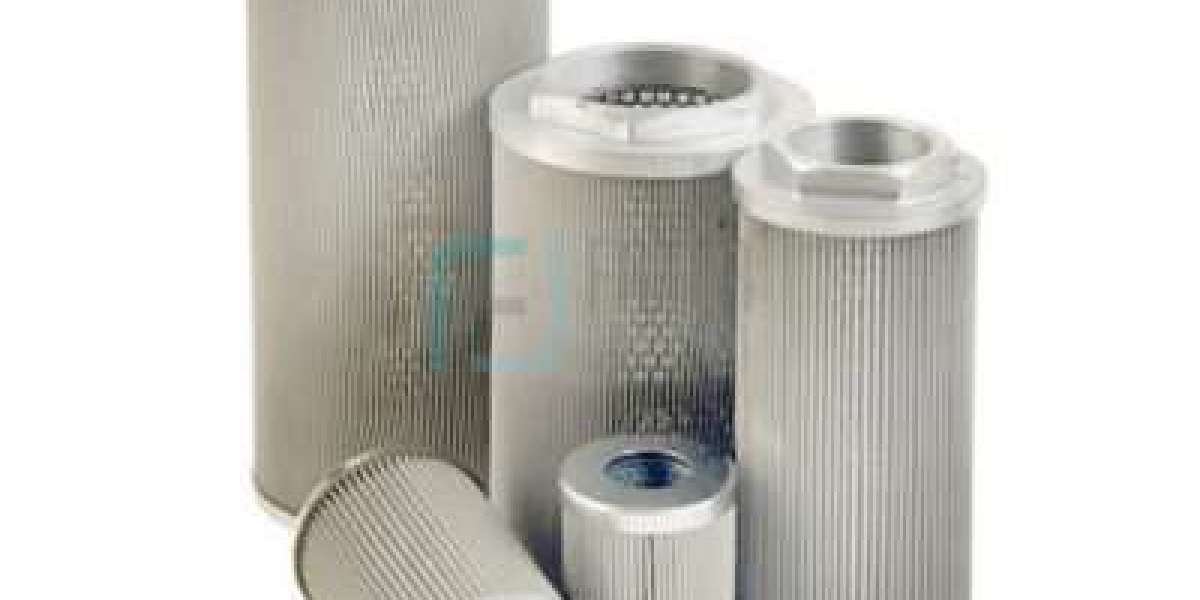
A lube oil filter may appear to be a small, simple component in an engine system, but its role is immensely powerful. Whether it is an automotive engine, industrial machinery, heavy-duty equipment, or power generation systems, a Lube Oil Filter acts as the silent guardian that ensures smooth performance and long-term reliability. In today’s age of high-performance engines and tight maintenance schedules, choosing the right filter and understanding its purpose is more important than ever.
This blog explains what a lube oil filter is, how it functions, its benefits, types, signs of failure, and tips for choosing the right one—offering an informative view for users, operators, and maintenance professionals.
What Is a Lube Oil Filter?
A Lube Oil Filter is a filtration device designed to remove contaminants such as dust, dirt, metal particles, sludge, varnish, and other impurities from engine oil. Engine oil lubricates moving parts, reduces friction, absorbs heat, and protects internal components from wear. However, during operation, the oil naturally accumulates impurities. Without a proper filter, these contaminants can circulate within the engine, causing damage and drastically reducing efficiency.
In simple terms, a lube oil filter protects the engine by ensuring the oil flowing through it is clean and effective.
Why Is the Lube Oil Filter Important?
The significance of the lube oil filter goes beyond just improving oil quality. Here are the main reasons it is essential:
1. Prevents Engine Wear
Engines have extremely tight tolerances, and any foreign particles can cause serious abrasion or scoring. A lube oil filter traps these abrasive contaminants before they can cause wear.
2. Maintains Oil Quality
Oil gradually degrades due to heat, oxidation, and contamination. By filtering out particles, the lube oil filter keeps the oil effective for a longer period.
3. Enhances Performance
A cleaner oil system ensures better lubrication, smoother movement of engine parts, and reduced friction—resulting in improved engine efficiency and performance.
4. Protects Sensitive Components
Turbochargers, bearings, pistons, crankshafts, and camshafts are extremely sensitive to contamination. A good oil filter ensures their safety and durability.
5. Extends Engine Life
Engines with regular oil and filter maintenance can operate efficiently for years without major issues. This helps avoid costly overhauls and replacements.
How Does a Lube Oil Filter Work?
The working principle of a lube oil filter involves a combination of mechanical and sometimes chemical filtration.
1. Oil Flow Through the Filter
Engine oil is pumped through the filter housing. It enters through small holes around the base.
2. Filtration Media
This is the heart of the filter. It may be made of:
Cellulose fibers
Synthetic fibers
Microglass media
Blended materials
The filtration media traps contaminants while allowing clean oil to flow through.
3. Bypass Valve
If the filter becomes clogged, the bypass valve ensures that the engine continues to receive oil—though unfiltered. This prevents oil starvation, which is far worse than running with contaminated oil.
4. Anti-Drain Back Valve
This valve ensures oil remains in the filter when the engine is off. It helps avoid dry starts, which can cause significant damage due to lack of lubrication.
5. Clean Oil Return
Once filtered, the oil flows out of the central tube and returns to the engine for lubrication.
This entire process happens continuously during engine operation, ensuring the oil remains clean and effective.
Types of Lube Oil Filters
There are several types of lube oil filters available, each designed for different applications.
1. Full-Flow Oil Filters
These filters clean the entire volume of oil circulated by the engine. They are the most commonly used in automotive applications.
Benefits:
Provides complete coverage
Protects engine from most contaminants
Ideal for cold climates where oil viscosity increases
2. Bypass Oil Filters
Only a portion of the oil is routed through this filter at one time. They filter finer particles and provide deeper cleaning.
Benefits:
Removes microscopic contaminants
Extends oil change intervals
Used in heavy-duty and industrial engines
3. Cartridge Oil Filters
These are eco-friendly oil filters containing only the filtration media without metal casings. They are inserted into a reusable housing.
Benefits:
Environmentally friendly
Easy inspection
Reduces waste
4. Spin-On Oil Filters
A widely used design that includes a disposable metal housing and filtration media. They are simple to replace and convenient for maintenance.
Benefits:
Quick installation
Reliable performance
Cost-effective
5. Magnetic Oil Filters
These filters use a magnet to attract metal particles suspended in the oil.
Benefits:
Perfect for capturing ferrous debris
Useful in industrial machinery
Enhances overall filtration efficiency
Common Signs of a Failing Lube Oil Filter
Just like other engine components, lube oil filters wear out with usage. Recognizing early signs of failure helps avoid severe engine damage.
1. Reduced Engine Performance
A clogged filter restricts oil flow, leading to increased friction and poor performance.
2. Warning Lights
Oil pressure lights or engine warning lights may appear on the dashboard.
3. Overheating
Poor lubrication increases friction, causing engine components to overheat.
4. Dirty Exhaust Smoke
Contaminated oil can lead to incomplete combustion, resulting in dark or thick smoke emissions.
5. Noisy Engine Operation
Knocking, grinding, or unusual sounds often indicate poor lubrication due to low oil flow.
6. Frequent Oil Breakdown
If oil becomes dirty too quickly, the filter may not be functioning effectively.
How Often Should You Replace a Lube Oil Filter?
The replacement interval depends on several factors:
Engine type
Operating conditions
Oil quality
Manufacturer recommendations
Typical replacement timelines include:
Automobiles: Every 5,000–10,000 kilometers
Industrial machinery: Based on operational hours
Heavy-duty equipment: Every 250–500 hours of operation
Always follow the manufacturer’s guidelines for the most accurate schedule.
How to Choose the Right Lube Oil Filter
Selecting the right filter ensures your engine performs at its best. Here are some factors to consider:
1. Micron Rating
A lower micron rating means finer filtration. For heavy-duty use, choose a filter with a higher efficiency level.
2. Material Quality
Synthetic and microglass media filters offer better filtration compared to cellulose-based ones.
3. Compatibility
Choose a filter that matches your engine's specifications to ensure proper fit and performance.
4. Bypass Valve Pressure
The valve should match the engine’s oil pressure requirements for seamless operation.
5. Brand Reliability
Always choose reputable brands that follow industry standards and testing procedures.
Benefits of Using a High-Quality Lube Oil Filter
Investing in a good filter is crucial for long-term engine maintenance. Here are the major advantages:
Ensures consistent lubrication
Protects engine from contaminants
Improves fuel economy
Supports optimal engine temperature
Reduces repair and maintenance expenses
Enhances engine longevity
Conclusion
A Lube Oil Filter may be a small part, but the protection it provides to the engine is enormous. It keeps the oil clean, enhances performance, prevents wear, and ensures the engine runs smoothly under all conditions. Whether for vehicles, industrial machinery, or heavy-duty systems, choosing a high-quality lube oil filter is one of the smartest maintenance decisions you can make.
Regular filter replacements and selecting the right type not only ensure the best performance but also provide long-term savings by extending engine life. For anyone looking to maintain engine health, improve efficiency, and avoid unnecessary repairs, understanding the importance of the lube oil filter is essential.