The motorcycle apparel industry has undergone a structural transformation over the past decade, driven by the rapid expansion of direct-to-consumer (DTC) manufacturing models. Traditionally, motorcycle gear manufacturers relied on multilayered retail chains involving distributors, wholesalers, and brick-and-mortar retailers. Today, manufacturers such as Daniel Smart have adopted DTC strategies that allow them to design, manufacture, market, and sell motorcycle apparel directly to riders.
This shift is highly relevant in an industry where safety standards, material performance, and cost efficiency are critical purchasing factors. Direct manufacturing enables faster innovation cycles, stricter quality control, and greater price transparency—particularly for performance-driven products such as a safety-rated leather motorcycle jacket or a genuine textile motorcycle riding jacket. This article examines how DTC motorcycle apparel manufacturing works, why it has gained traction, and how it is reshaping rider expectations, product standards, and global supply chains.
Understanding Direct-to-Consumer (DTC) Manufacturing in Motorcycle Apparel
Direct-to-consumer manufacturing refers to a business model in which manufacturers sell products directly to end users without relying on traditional retail intermediaries. In motorcycle apparel, this approach integrates product design, material sourcing, safety testing, production, and digital commerce under a single operational structure. According to the general definition of DTC commerce outlined by Wikipedia, this model enables brands to maintain ownership over customer relationships, pricing, and product development cycles, while reducing their dependency on external retail networks.
Why Motorcycle Apparel Is Well-Suited to DTC Models?
Motorcycle riding gear differs from conventional fashion apparel due to its functional and regulatory requirements. Jackets, pants, and protective layers must meet abrasion resistance, impact protection, and weather performance standards. DTC manufacturing allows brands to:
- Implement direct quality assurance protocols
- Respond quickly to safety regulation updates
- Customize products based on rider feedback
- Maintain consistent material specifications across production runs
How Manufacturers Bypass Traditional Retail Chains?
Legacy retail models typically follow a multi-layered distribution structure in which products move from the manufacturer to a distributor, then to a wholesaler, onward to a retailer, and finally to the consumer. Each additional layer adds cost, lengthens lead times, and reduces the accuracy of product knowledge available at the point of sale. In the context of safety-critical motorcycle apparel, this fragmented structure often limits transparency around materials, safety certifications, and manufacturing processes, making it more difficult for riders to evaluate product quality and protection standards.
DTC Supply Chain Architecture
DTC manufacturers consolidate these steps into a streamlined operating model in which products move directly from the manufacturer to the consumer through a digital platform. By eliminating traditional intermediaries, manufacturers retain full control over pricing strategy, inventory planning, product education, and post-purchase support. This level of control is especially valuable for technical products such as a safety rated leather motorcycle jacket, where riders expect transparent documentation of protection standards, material specifications, and verified performance characteristics.
Product Focus: Safety and Performance in DTC Motorcycle Apparel
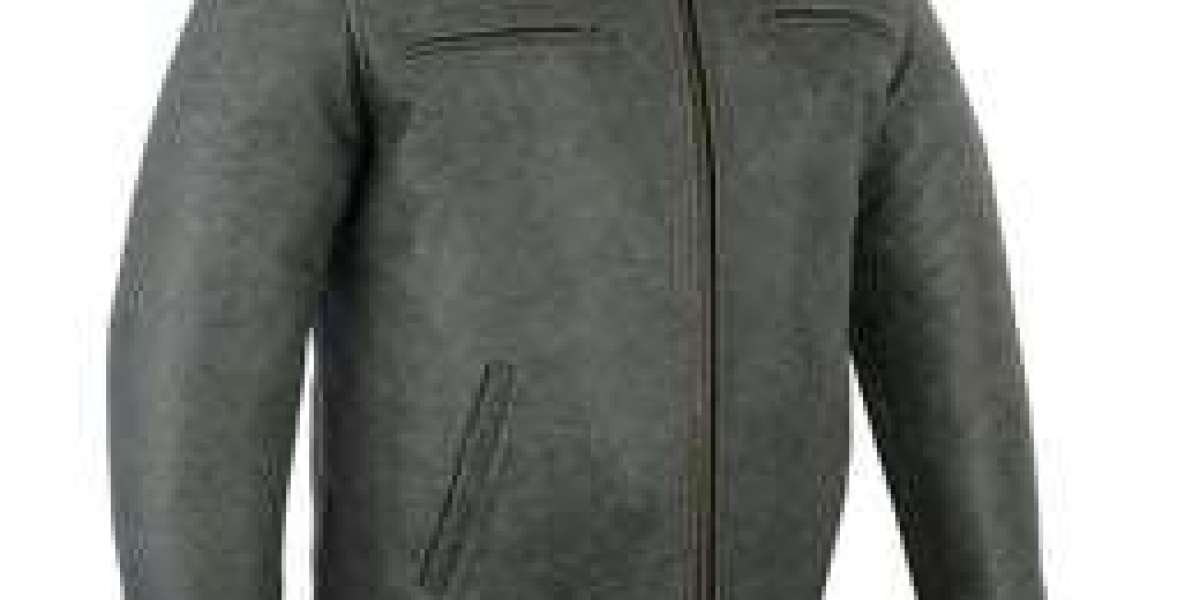
A safety rated leather motorcycle jacket is engineered to provide abrasion resistance, impact protection, and structural integrity during high-speed riding conditions. Leather—particularly cowhide and buffalo hide—is widely recognized for its high tensile strength and durability.
Modern DTC manufacturers integrate:
- CE-rated armor systems (EN 1621 standards)
- Reinforced stitching at high-impact zones
- Controlled leather thickness for balanced flexibility and protection
By selling directly, manufacturers can ensure that safety claims align with actual construction practices. A representative example of this product category is the safety rated leather motorcycle jacket, which illustrates how DTC brands combine certified protection with cost efficiency by bypassing retail markups.
Genuine Textile Motorcycle Riding Jackets
Textile motorcycle jackets have evolved significantly due to advances in synthetic fibers and laminate technologies. A genuine textile motorcycle riding jacket typically incorporates materials such as Cordura®, polyester blends, or nylon fabrics engineered for tear resistance, weather protection, and ventilation.
DTC manufacturing enables:
- Integration of waterproof-breathable membranes
- Modular thermal liners
- Adjustable airflow systems for multi-season use
Direct feedback from riders allows manufacturers to refine textile constructions for specific climates and riding styles. An example of this category is the genuine textile motorcycle riding jacket, which reflects how DTC brands balance technical performance with rider accessibility.
Benefits of Direct-to-Consumer Motorcycle Apparel Manufacturing
Cost Transparency and Value Optimization
By eliminating retail intermediaries, DTC manufacturers are able to reinvest cost savings directly into product development and quality enhancement. These efficiencies commonly support the use of higher-grade materials, more rigorous safety testing protocols, and improved armor systems. As a result, manufacturers can deliver professional-grade motorcycle gear at more accessible price points while maintaining, and often improving, overall protection standards.
Faster Innovation Cycles
Direct access to customer data enables manufacturers to identify design flaws more quickly, implement iterative product updates, and respond efficiently to emerging safety standards. This continuous feedback loop supports evidence-based product refinement, ensuring that design improvements and compliance adjustments are informed by real-world usage and evolving regulatory requirements.
Quality Control and Traceability
DTC brands maintain direct oversight across the entire production lifecycle, which significantly improves batch consistency, material traceability, and adherence to international safety standards. This end-to-end control allows manufacturers to monitor sourcing, construction, and quality assurance processes closely, reducing variability and ensuring that each production run meets defined performance and regulatory requirements.
Challenges and Operational Considerations
Logistics and Fulfillment Complexity
Managing global shipping, returns, and customer service requires robust digital infrastructure and operational expertise.
Consumer Education Responsibility
Without in-store sales staff, DTC manufacturers must provide clear, accurate, and technical product information through digital channels to support informed purchasing decisions.
Expert Insights and Industry Best Practices
Industry experts recommend alignment with recognized safety frameworks, such as:
- CE certification (European Conformity)
- EN 13595 and EN 17092 for protective clothing
DTC manufacturers that document compliance transparently build long-term consumer trust.
Data-Driven Product Development
Best-performing DTC brands leverage:
- Rider feedback loops
- Wear-testing programs
- Continuous material performance evaluation
These practices ensure products evolve based on real-world riding conditions rather than retail-driven trends.
Common Mistakes and Misconceptions
Lower Price Means Lower Safety
DTC pricing efficiency is often misinterpreted as reduced quality. In reality, cost savings stem from supply chain optimization, not material compromise.
Leather Is Always Superior to Textile
Both leather and textile jackets serve distinct use cases. Leather excels in abrasion resistance, while textiles offer versatility, weather protection, and lighter weight.
Conclusion
The rise of direct-to-consumer motorcycle apparel manufacturing represents a structural evolution driven by efficiency, safety accountability, and rider-centric design. By bypassing traditional retail chains, manufacturers gain control over quality, pricing, and innovation—benefiting riders seeking reliable protection without unnecessary cost inflation. For technically demanding products such as a safety rated leather motorcycle jacket or a genuine textile motorcycle riding jacket, the DTC model enables consistent adherence to safety standards while responding rapidly to real-world riding needs. As global motorcycle markets continue to prioritize performance, transparency, and value, DTC manufacturing is positioned as a defining force in the future of motorcycle apparel.
FAQs
1. What defines a safety-rated motorcycle jacket?
A safety-rated jacket meets established impact and abrasion resistance standards, often verified through CE certification.
2. Are DTC motorcycle jackets professionally tested?
Reputable DTC manufacturers conduct laboratory testing and field evaluations consistent with industry norms.
3. How does leather thickness affect protection?
Thicker leather increases abrasion resistance but must be balanced with flexibility and rider comfort.
4. What makes a textile jacket “genuine”?
A genuine textile jacket uses purpose-engineered fabrics designed for motorcycling, not casual wear materials.
5. Are DTC jackets suitable for long-distance touring?
Yes, many DTC designs incorporate ergonomic tailoring and climate control features for extended rides.
6. How do manufacturers ensure sizing accuracy without retail fitting?
Detailed size charts, rider measurement guides, and return policies mitigate fit-related concerns.
7. Do DTC brands comply with international regulations?
Established manufacturers align with CE and other recognized safety frameworks.
8. Is armor included in most DTC jackets?
Most professional-grade jackets include integrated armor or provide upgrade-compatible systems.